Where Lighthouse Paths Meet Wild Shores
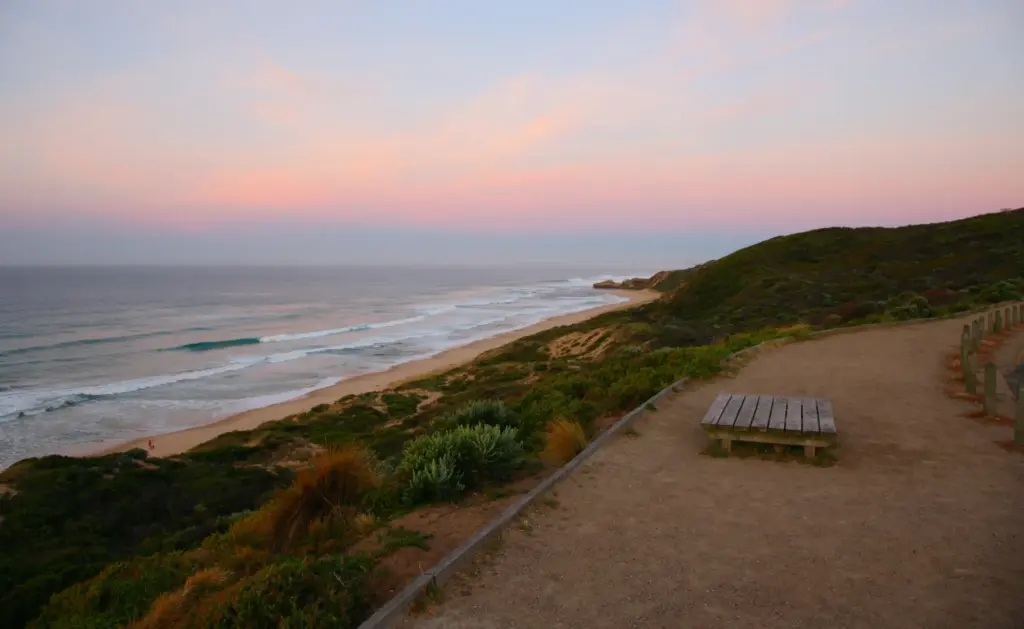
Step onto wind-brushed trails that circle steadfast lighthouses and learn how to connect every footstep with living coastlines. This guide focuses on wildlife spotting and tidepool exploration along coastal paths near lighthouses, revealing practical methods, inspiring stories, and respectful habits that help you notice more, stay safer, and return with meaningful memories. Bring curiosity, patience, and a tide table, and let the glow of the beacon frame your most memorable encounters.

Following the Beacon: Choosing Paths That Reveal Coastal Life

Not every seaside walk offers the same encounters. Some lighthouse approaches weave past kelp-wreathed coves and bird-filled headlands, while others hug calm bays where seals rest and anemones bloom in sunlit cracks. Learn to read signage, consult local rangers, and scan marine charts to predict habitat variety. With a thoughtful route, every turn in the path becomes an invitation to discover color, movement, and quiet dramas unfolding between rock and wave.

Anemones, Sea Stars, and Urchins: Recognize Without Disturbing

Green anemones resemble gardens of soft spears but close defensively if poked or shaded abruptly. Sea stars may show brilliant oranges or purples, yet prefer minimal handling to protect delicate tube feet. Urchins display careful geometry, sweeping debris with spines. Observe behavior rather than collecting: watch a starfish hunt a mussel, notice anemone tentacles taste the current, and respect every surface as a home. Photographs and field sketches preserve the memory while leaving residents undisturbed.

Nudibranch Hunts: Color, Camouflage, and Patient Eyes

Nudibranchs are kaleidoscopes in slow motion, often the reward of deliberate searching rather than luck. Scan for frilly edges glinting on sunlit algae, or tiny horns outlined against kelp holdfasts. Follow clues: bright sponge patches, hydroid forests, and still pools after receding sets. Crouch close; breathe steadily; let your gaze soften into peripheral attention. When a vibrant ribbon suddenly resolves into a living slug, the magic feels like a whispered secret shared just with you.

Wingbeats and Whiskers: Seabirds and Marine Mammals From the Path

High vantage points near lighthouses command sweeping views that compress vast activity into readable scenes. From a single overlook, cormorants arrow low between swells, terns shiver above baitfish, and diving gulls ignite sudden cascades. Offshore, harbor seals bob like punctuation marks, and sea otters cradle urchins on their bellies. With binoculars, patient scanning, and attention to feeding frenzies, you can decode relationships between wind, current, and prey, anticipating where the next burst of life will surface.

Safety, Stewardship, and Kind Habits on Slick Stone

The most rewarding shoreline explorations are anchored in mindful choices. Rocks near beaconed points can be slick with algae, and surges may leap further than they sound. Arm yourself with tide tables, check swell height and period, and choose shoes with reliable grip. Move slowly, maintain three points of contact, and keep companions within voice range. Beyond safety, practice gentle ethics: give wildlife room, pack out microtrash, and leave every intertidal treasure exactly where it thrives.

01

Tide, Swell, and Hidden Steps

Even a perfect low tide can turn risky when long-period swells stack surprise sets. Study forecasts and watch for patterns: if three waves break softly, the fourth might surge. Test footing before committing weight, and avoid stepping on glossy seaweed whenever possible. Keep an escape route in mind, and never turn your back on the ocean. Awareness layered with humility keeps exploration joyful, letting curiosity lead without forcing the sea to answer recklessly.

02

Sharing Space With Wildlife and Lighthouse Operations

Lighthouse grounds remain working cultural landscapes, often with protected nests, sensitive equipment, or research sites. Respect fences, signage, and seasonal closures that safeguard chicks, haul-outs, or restoration work. For wildlife, follow the thumb rule: if behavior changes because of you, you are too close. Whisper, move slowly, and use optics instead of feet to approach. Gratitude for access invites continued welcome, ensuring future walkers can learn, marvel, and contribute to coastal stewardship.

03

Leave No Trace in Salt and Spray

Intertidal zones concentrate life, so even tiny carelessness echoes loudly. Pack snacks in reusable containers, brush sand from gear away from pools, and keep soaps and chemicals far from runoff channels. Photograph instead of collecting shells or driftwood; these textures shelter larvae and microfauna. Stick to durable surfaces, and step around living mats of mussels or seagrass. Every careful choice becomes a quiet promise that today’s discoveries will still be there tomorrow.

Field Notes and Family Adventures Beside the Beacon

Exploration becomes lasting knowledge when you write, sketch, and share. Create a small ritual at each lighthouse walk: note cloud shapes, wind direction, and the first creature you notice. Invite children to choose today’s focus—feathers, stripes, circles, or footprints—and reward patience with warm cocoa at the overlook. Family traditions make return trips irresistible, turning mundane weekends into small expeditions. Over time, these pages and whispers knit together a personal atlas of coastal wonder.

Turning Curiosity Into Games

Build playful challenges that sharpen observation. Try a color quest for five greens in seaweed, or a pattern hunt for spirals on shells and barnacles. Sketch one tidepool before and after a wave, naming everything that moves. Share roles: navigator, safety spotter, photographer, and storyteller. With each lap around the lighthouse, swap roles and celebrate tiny finds. Games welcome beginners, sustain attention during lulls, and transform waiting for tides into treasured family time.

Simple Science: Contribute What You See

Citizen science thrives along accessible headlands. Log sea star health, document nudibranch sightings, or record seabird counts during migration windows. Many projects accept smartphone photos with timestamps and GPS. Teach kids to verify identifications using trustworthy field guides and to add notes about behavior or habitat. Sharing observations strengthens community data, guiding conservation actions and informing researchers. Your everyday walk becomes part of a larger effort to understand and protect living coasts.

Tools, Maps, and Timing for Unforgettable Encounters

Footing, Warmth, and Dry Packs

Choose shoes with siped soles that grip slick rock, and carry lightweight microspikes if conditions warrant. Layer synthetics or wool to match rapidly shifting wind and spray. Keep a compact towel, spare socks, and a thermos in a roll-top bag. A small headlamp helps predawn approaches or foggy exits. Thoughtful comfort keeps your attention on feather flashes and ripple patterns rather than cold toes, extending both safety and delight along every lighthouse loop.

Optics and Apps That Actually Help

Binoculars with moderate magnification and bright lenses reveal subtle behaviors without fatigue. Pair them with a phone loaded with offline field guides, tide charts, swell models, and simple note-taking tools. Resist data overload; a few dependable resources outperform sprawling app folders. Snap reference photos through your binoculars, annotate with wind and cloud notes, and save coordinates for return visits. Consistent logging creates personal baselines that turn surprises into patterns you can anticipate confidently.

Local Knowledge, Access, and Respectful Shortcuts

Visitor centers, lighthouse volunteers, and harbor fishers often know where baitfish gather, where otters split urchins, or which side path leads safely to sheltered shelves. Ask kindly, listen fully, and honor cautions about closures or nesting. Carry a paper map in case fog scrambles orientation. When a resident mentions an unmarked overlook, verify safety and legality before proceeding. Blending guidance with good judgment yields shortcuts to understanding without cutting corners on responsibility.