
Where Lighthouse Paths Meet Wild Shores
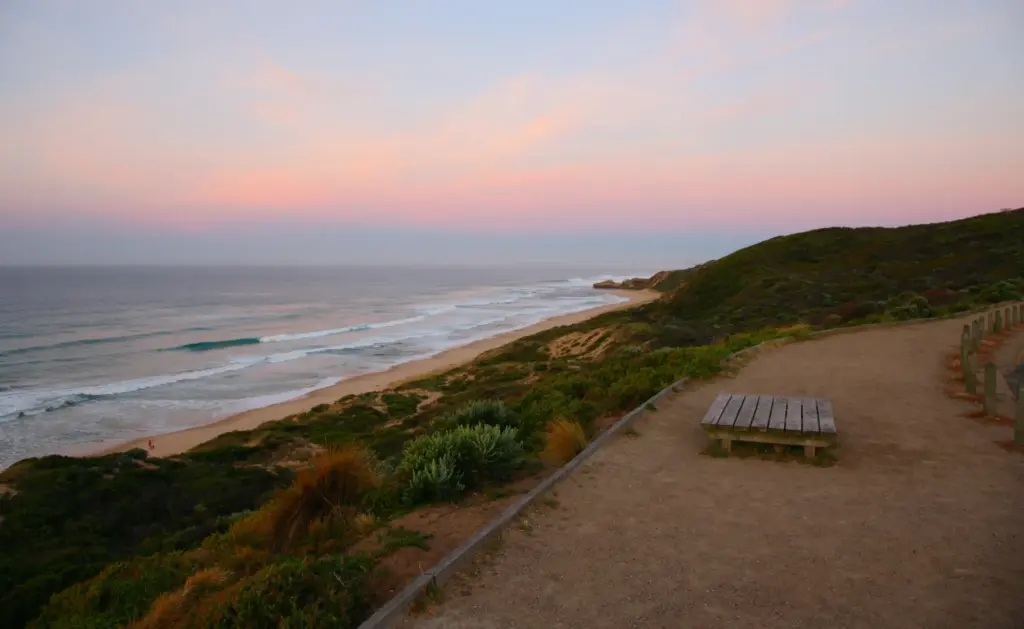
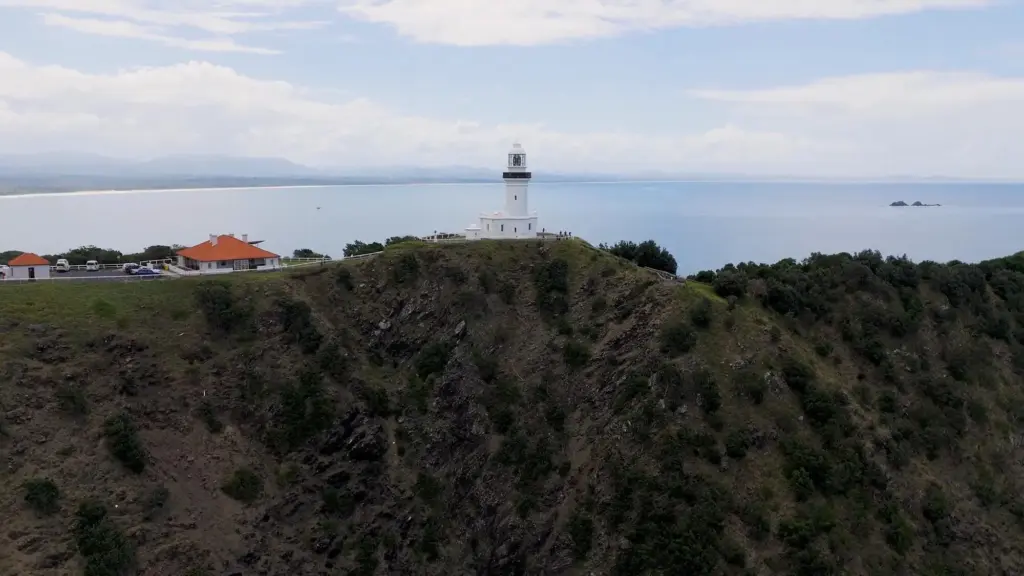
Following the Beacon: Choosing Paths That Reveal Coastal Life
Anemones, Sea Stars, and Urchins: Recognize Without Disturbing
Nudibranch Hunts: Color, Camouflage, and Patient Eyes
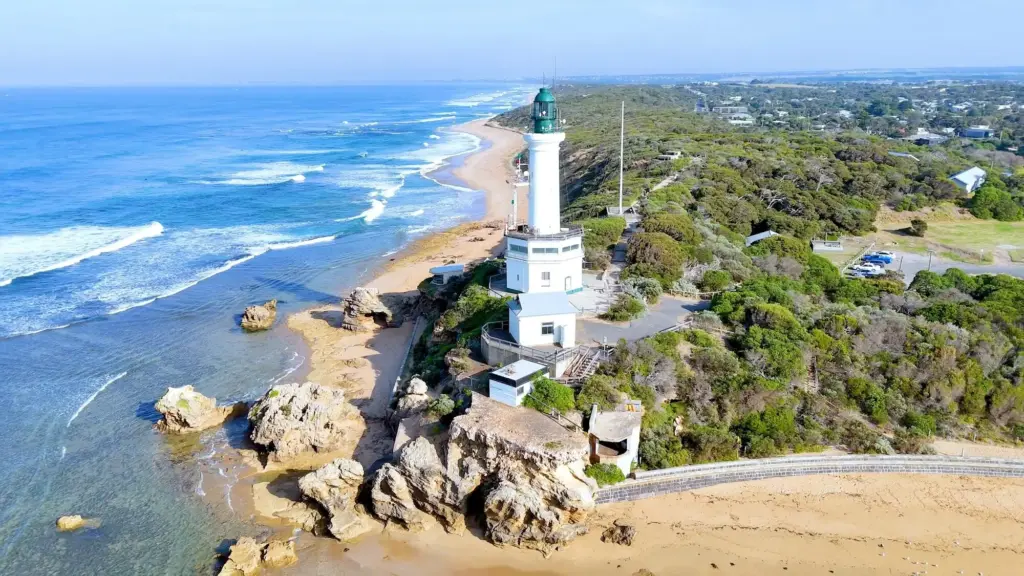
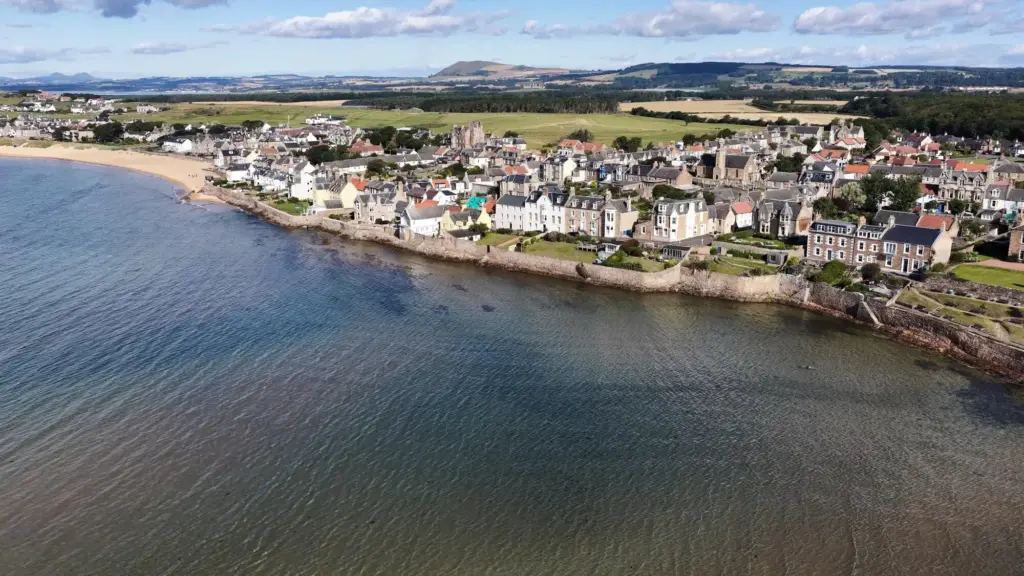
Wingbeats and Whiskers: Seabirds and Marine Mammals From the Path
Safety, Stewardship, and Kind Habits on Slick Stone
01
Tide, Swell, and Hidden Steps
Even a perfect low tide can turn risky when long-period swells stack surprise sets. Study forecasts and watch for patterns: if three waves break softly, the fourth might surge. Test footing before committing weight, and avoid stepping on glossy seaweed whenever possible. Keep an escape route in mind, and never turn your back on the ocean. Awareness layered with humility keeps exploration joyful, letting curiosity lead without forcing the sea to answer recklessly.
02
Sharing Space With Wildlife and Lighthouse Operations
Lighthouse grounds remain working cultural landscapes, often with protected nests, sensitive equipment, or research sites. Respect fences, signage, and seasonal closures that safeguard chicks, haul-outs, or restoration work. For wildlife, follow the thumb rule: if behavior changes because of you, you are too close. Whisper, move slowly, and use optics instead of feet to approach. Gratitude for access invites continued welcome, ensuring future walkers can learn, marvel, and contribute to coastal stewardship.
03
Leave No Trace in Salt and Spray
Intertidal zones concentrate life, so even tiny carelessness echoes loudly. Pack snacks in reusable containers, brush sand from gear away from pools, and keep soaps and chemicals far from runoff channels. Photograph instead of collecting shells or driftwood; these textures shelter larvae and microfauna. Stick to durable surfaces, and step around living mats of mussels or seagrass. Every careful choice becomes a quiet promise that today’s discoveries will still be there tomorrow.
Field Notes and Family Adventures Beside the Beacon
Turning Curiosity Into Games
Build playful challenges that sharpen observation. Try a color quest for five greens in seaweed, or a pattern hunt for spirals on shells and barnacles. Sketch one tidepool before and after a wave, naming everything that moves. Share roles: navigator, safety spotter, photographer, and storyteller. With each lap around the lighthouse, swap roles and celebrate tiny finds. Games welcome beginners, sustain attention during lulls, and transform waiting for tides into treasured family time.
Simple Science: Contribute What You See
Citizen science thrives along accessible headlands. Log sea star health, document nudibranch sightings, or record seabird counts during migration windows. Many projects accept smartphone photos with timestamps and GPS. Teach kids to verify identifications using trustworthy field guides and to add notes about behavior or habitat. Sharing observations strengthens community data, guiding conservation actions and informing researchers. Your everyday walk becomes part of a larger effort to understand and protect living coasts.
Tools, Maps, and Timing for Unforgettable Encounters
Footing, Warmth, and Dry Packs
Optics and Apps That Actually Help
Local Knowledge, Access, and Respectful Shortcuts
All Rights Reserved.