
First Light, Last Glow Along the Lighthouse Coast
We’re exploring dawn and dusk photography routes featuring iconic coastal lighthouses, tracing approachable paths to vantage points, aligning golden and blue hour timing, and sharing safety, gear, and storytelling practices. Expect practical maps, lived anecdotes, and creative prompts that help you greet first light, linger for last glow, and come home with images worthy of salt, wind, and memory.

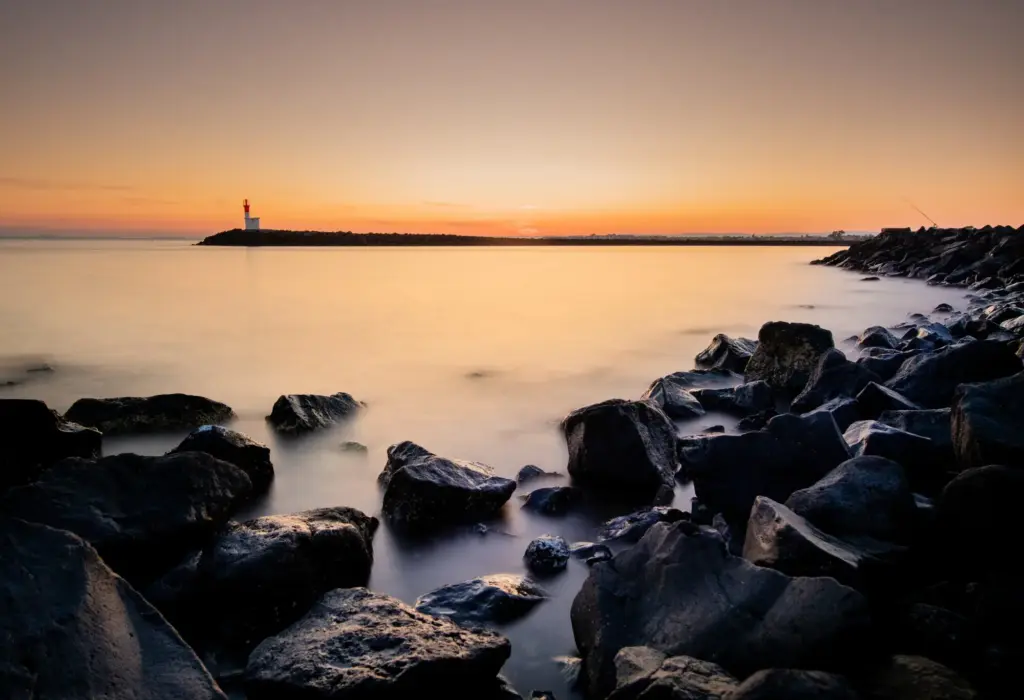
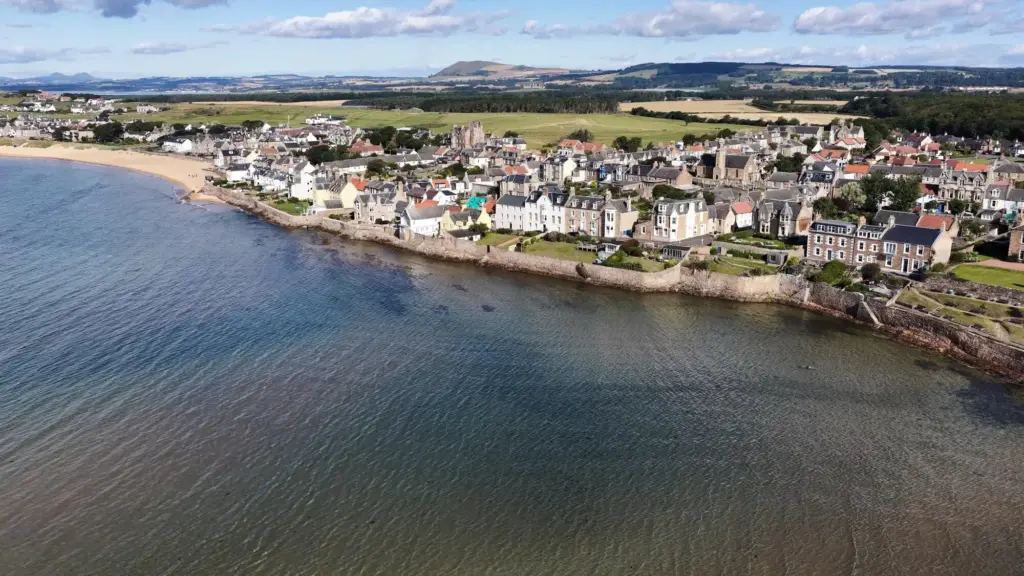

Shaping a Dawn-to-Dusk Route
Begin with a flexible corridor that links safe viewpoints along cliffs, harbors, and beaches, then anchor your timing to nautical, civil, and golden transitions. Cross-reference parking, access gates, and tide windows, and plan reversible legs so you can pivot if fog, swell, or crowds intervene. A good route breathes, protects your energy, and multiplies creative options.

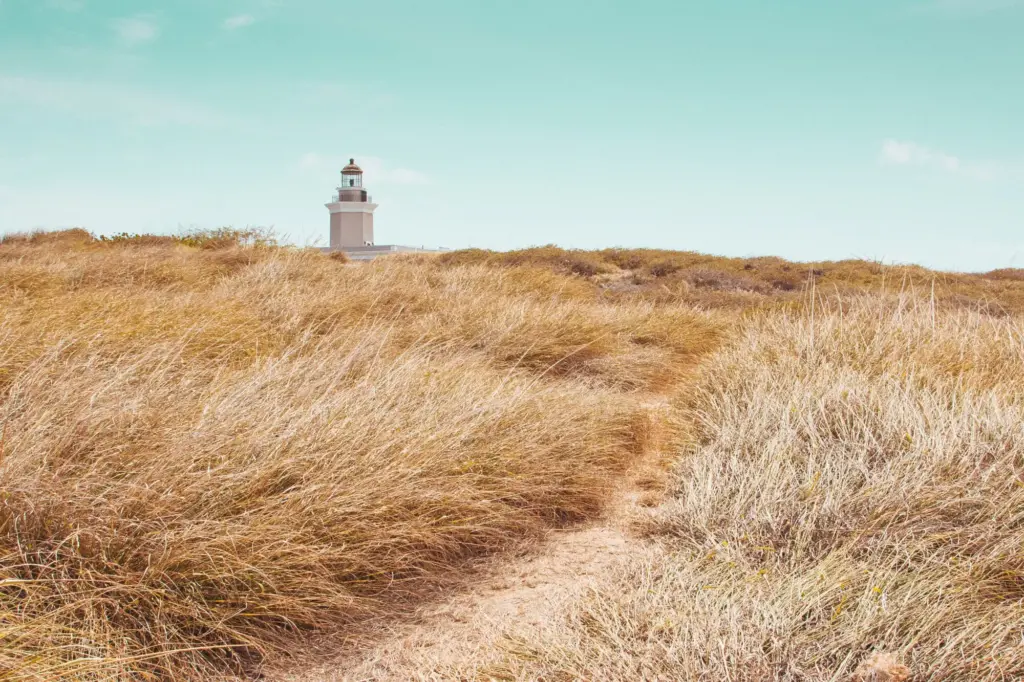
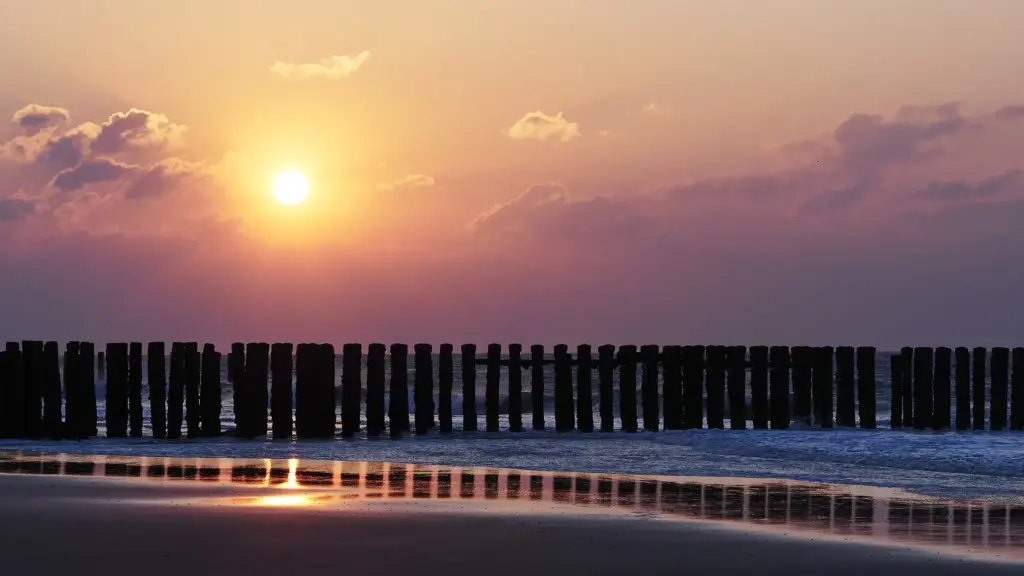
Tide, Weather, and Safety at the Edge
Coastal beauty turns harsh quickly, so pair every creative plan with a safety plan. Read tide tables with attention to range, not just times, and check swell direction, period, and wind. Fog can be a luminous gift or a navigation hazard; rain polishes rocks dangerously. Respect waves, wear traction, and keep friends informed.
Foreground Stories: Pools, Ropes, and Wildflowers
Search for near-field textures that echo maritime life: coiled lines, lobster pots, barnacled steps, and salt-sparkled thrift flowers. A low angle stitches these elements into the tower’s narrative, binding era to tide. Manage depth with careful aperture decisions, allowing detail to support, not steal, attention from the radiant lantern and awakening sky.
Reflections, Silhouettes, and Scale
When water calms, mirror the beacon and let symmetry whisper serenity. Against a molten dusk, reduce the structure to silhouette and allow shape to carry emotion. For scale, invite a walker, gull, or fishing skiff into the frame. These relationships give viewers a way to feel wind, smell brine, and imagine footsteps.
Minimalism When Color Does the Talking
Some mornings bloom with gradients so tender that details feel like interruptions. Step back, compress with a longer lens, and let the lantern’s geometry punctuate a whispering sky. Fewer elements deepen calm, while subtle diagonals and horizon placement retain momentum. Minimal frames linger in memory like the aftertaste of salt and light.
Tripods, Feet, and Stability Hacks
Choose a tripod that resists wind without breaking your back on long stair climbs. Spike or rubber feet adapt to rock and boardwalk. Hang weight from the center column, spread legs wide, and avoid extending the thinnest sections. Use a shutter delay, cable release, or app trigger, and shield the setup from gusts with your body.
Lenses, Filters, and Sensor Settings
A sharp wide-angle frames tower, surf, and cloud drama; a mid-tele compresses cliffs and beams; a fast fifty loves lantern glow. Carry a circular polarizer cautiously near shiny water, and soft grads for sky balance. Shoot RAW, expose to protect highlights, and pair moderate ISO with noise reduction tuned to preserve honest texture.
Power, Cards, and Cold-Weather Care
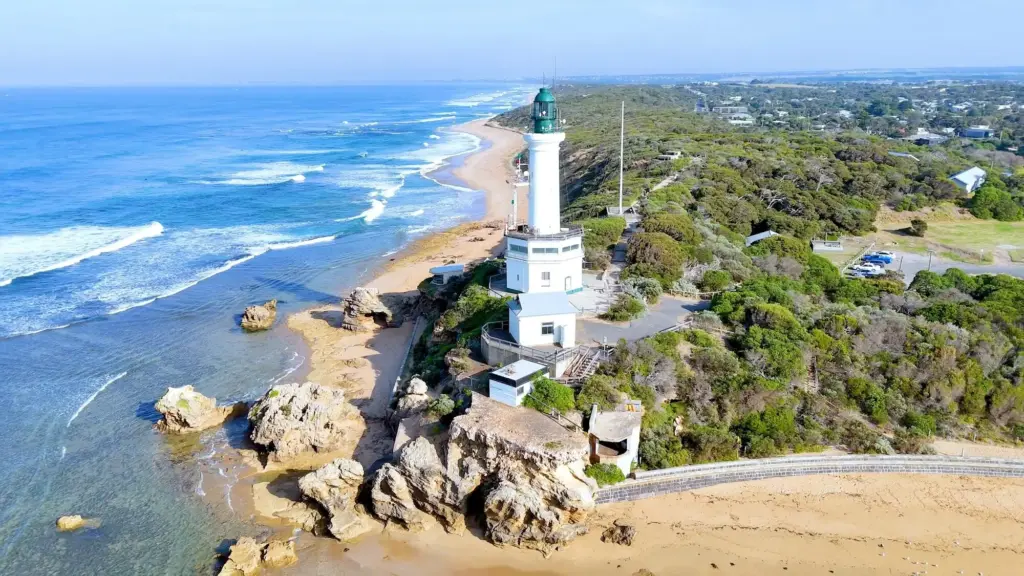
Cold drains batteries quickly, so pocket spares near your body and rotate them thoughtfully. Bring ample cards, format in-camera, and back up before you drive. Wipe salt spray promptly, dry gear with gentle warmth, and crack open rain covers at home. Treat equipment kindly, and it will repay you with quiet reliability when color peaks.
Respect at the Beacon: People, Property, and Place
Many towers stand beside homes, working stations, or fragile habitats. Keep voices low before sunrise, dim lights, and honor fences, signs, and closures. If a site is maintained by volunteers, donations and kind words matter. Share paths, yield viewpoints, and leave shorelines cleaner than you found them so beauty remains for everyone tomorrow.
Neighbors, Keepers, and Quiet Hours
Pre-dawn footsteps echo, and diesel heaters hum inside cottages. Move gently, park considerately, and avoid shining beams into windows. Greet keepers if present, ask permission before wandering, and heed posted rules. Politeness opens doors to stories, and sometimes, secret overlooks that transform an already promising morning into something unforgettable and deeply respectful.
Wildlife, Drones, and No-Fly Realities
Cliff-nesting birds, seals, and migrating shorebirds need space. Learn seasonal closures, keep drones grounded where prohibited, and maintain line-of-sight without hovering near lantern rooms. The best flight is often none at all. Ground-based perspectives, longer lenses, and patience protect habitats while delivering photographs that feel earned, intimate, and ethically grounded in care.
Leave No Trace on Rock and Sand
Stay on durable surfaces, pack out every scrap, and skip shortcut trails that erode delicate bluffs. Biodegradable doesn’t mean invisible in tidal zones. Brush sand from tripod feet away from vegetation, and avoid building cairns that confuse hikers. The smallest courtesies protect tomorrow’s sunrise just as surely as tonight’s forecast and tide chart.

Crafting Captions That Guide the Eye
Write like you’re leading a friend down wet stairs at dawn. Start with the sensory hook, add context about light direction or tide choice, and finish with a question. Captions that teach one decision empower viewers to try, return, and build their own safe, joy-filled coastal adventures next weekend.
Editing for Mood, Not Just Detail
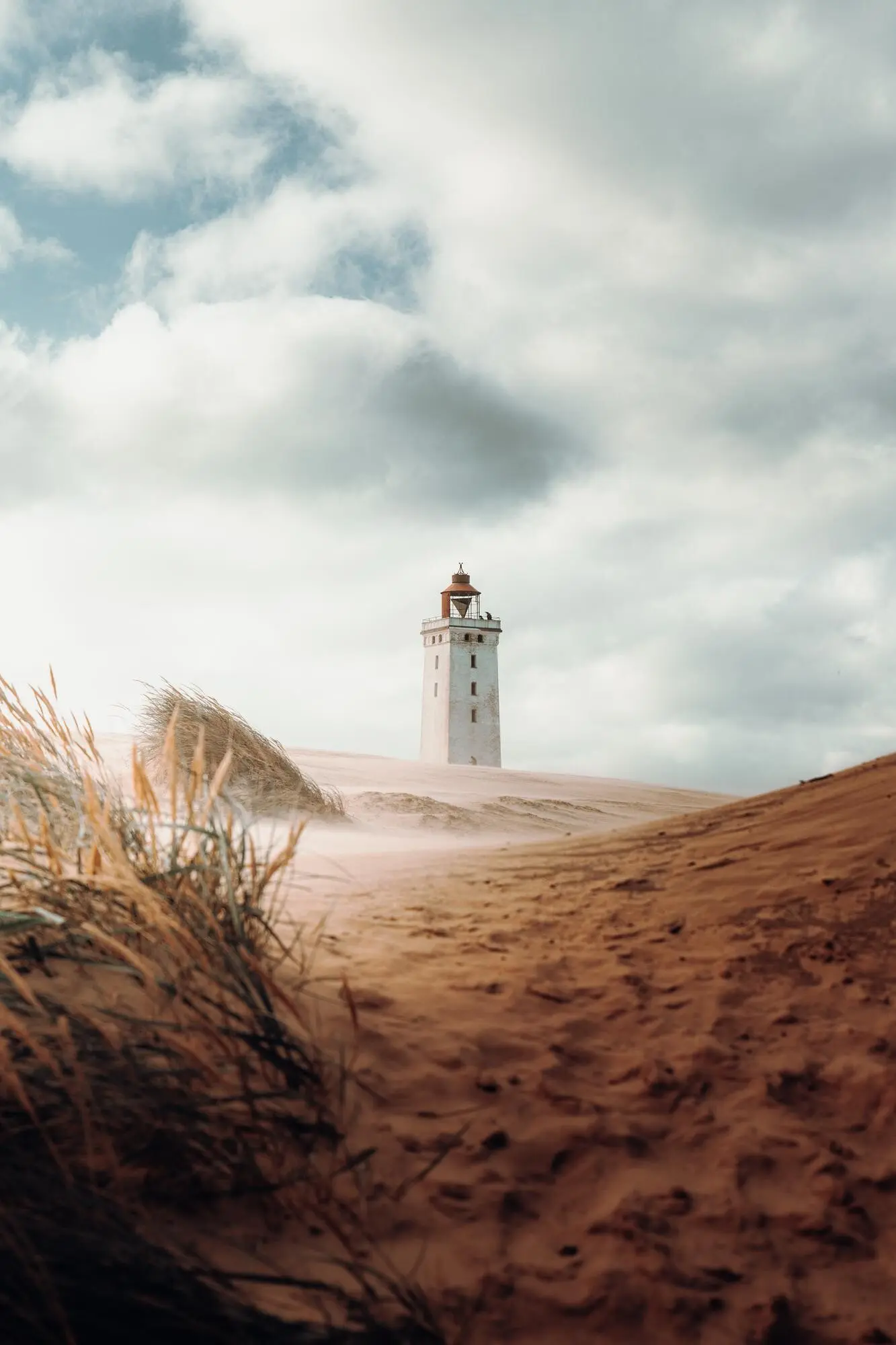
Resist flattening the poetry out of low light. Balance highlight preservation with gentle shadow lift, protect lantern character, and embrace color that matches memory while staying honest. A subtle touch keeps mist mysterious, foam clean, and brickwork believable. Invite feedback, compare variants, and let the scene’s emotional temperature steer your final choices.
All Rights Reserved.